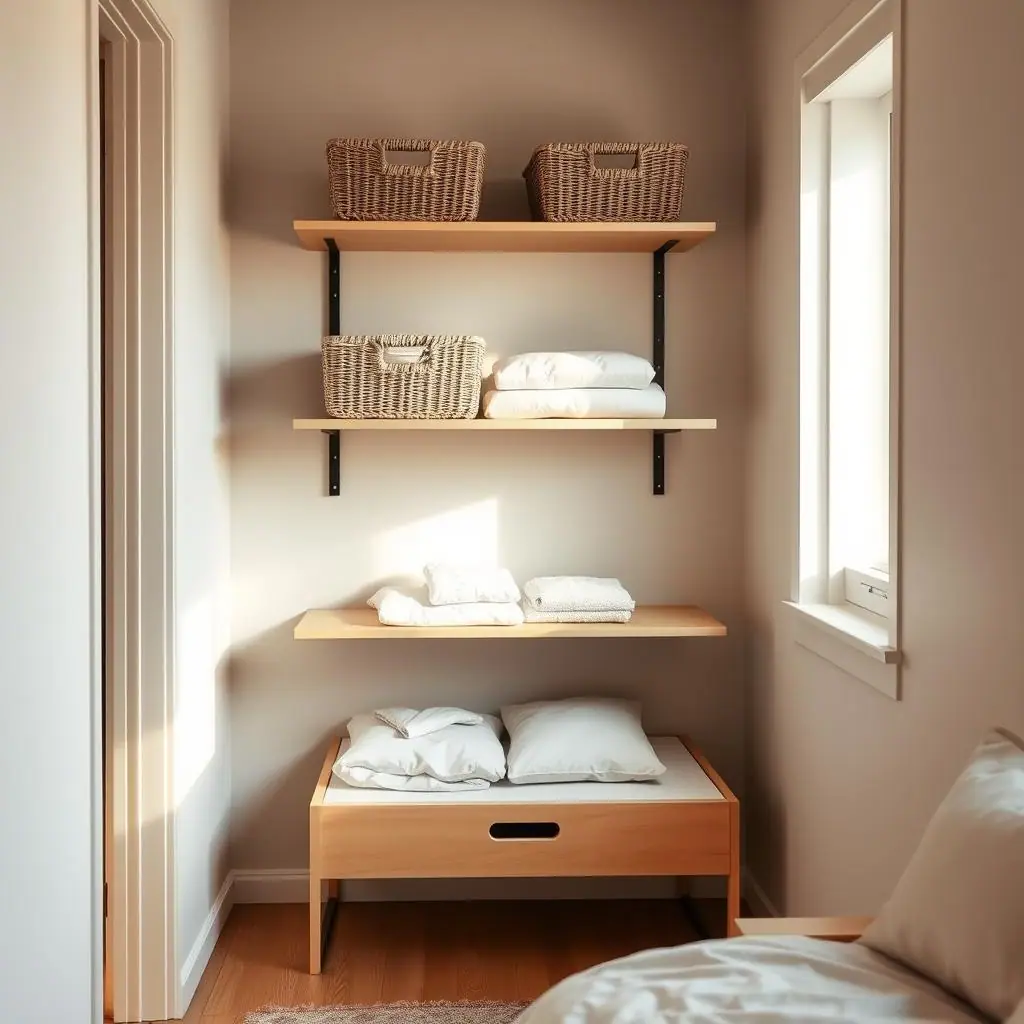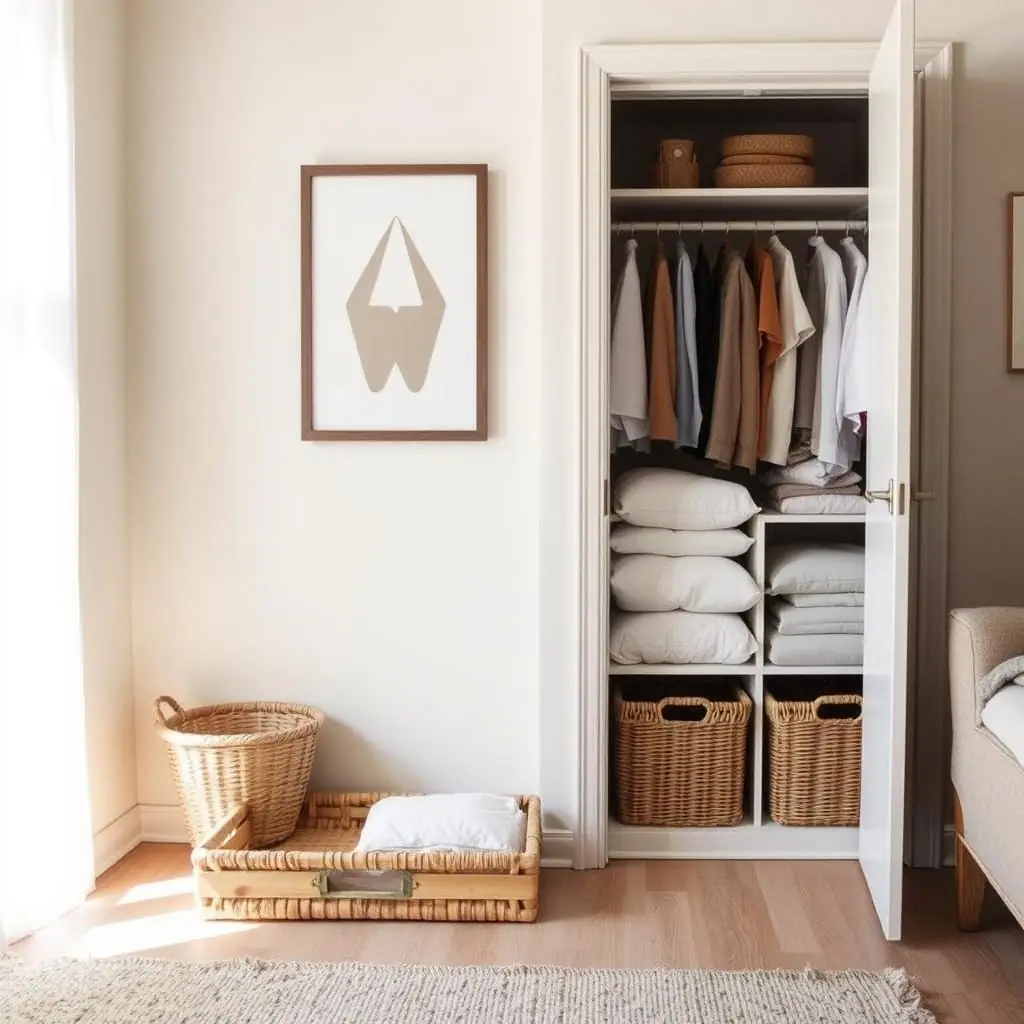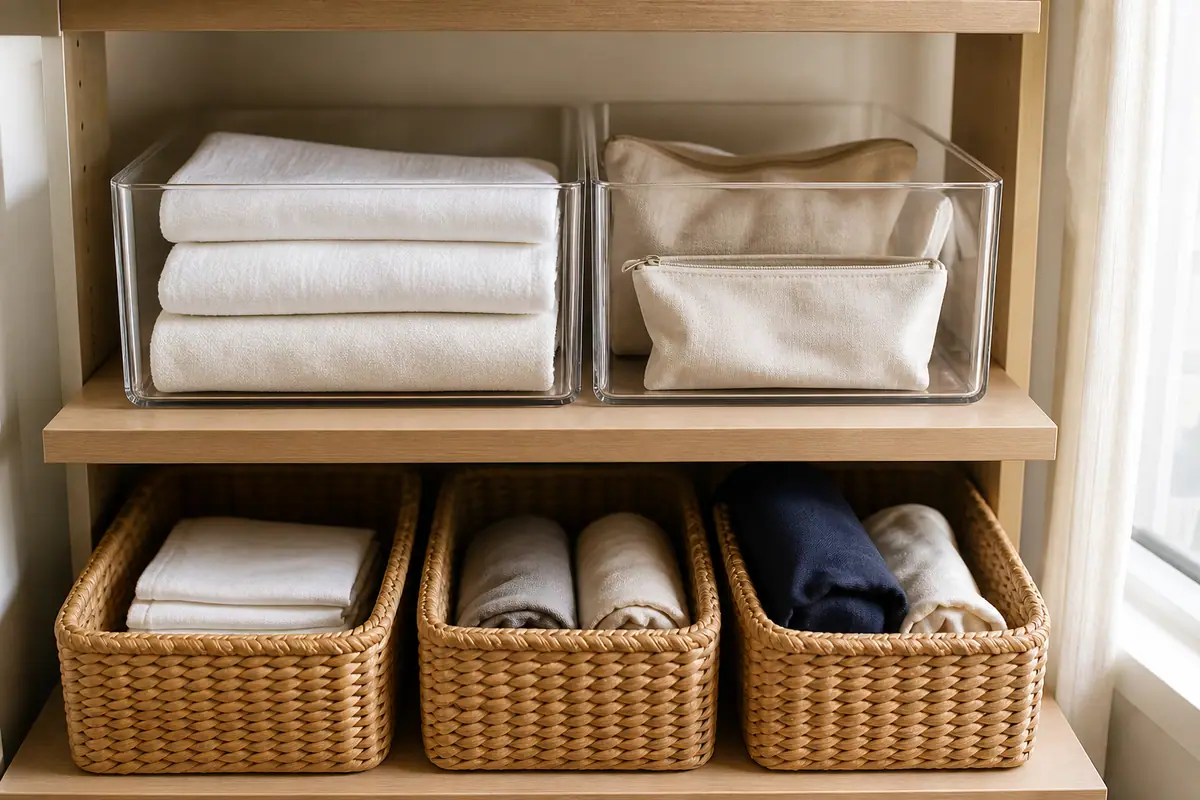
Clear bins vs woven baskets for home organization is a small choice that can change how a shelf feels every day. Clear bins make contents easy to see. Woven baskets soften the view and hide visual noise. Neither option is automatically better; the calmer choice depends on what you store, how often you reach for it, and whether seeing the contents helps or distracts you.
In a small apartment, storage products should support a routine instead of becoming decoration with a secret mess inside. The right bin or basket should make it easier to put things away, easier to find what you need, and easier to reset the shelf after a normal week.
Why Clear Bins vs Woven Baskets Matters
The difference between clear bins and woven baskets is not just style. It is a difference in feedback. A clear bin shows you when snacks are low, craft supplies are mixed, or bathroom backups are multiplying. A woven basket hides the same information, which can make a room look calmer but may also let the category drift.
That matters most in small homes because every open shelf, cabinet, closet, and entry zone has to work harder. If storage looks busy, the room can feel cluttered even when everything has a place. If storage hides too much, you may rebuy items you already own or forget what is in the back of a basket.
For general household product safety context, the U.S. Consumer Product Safety Commission publishes recall and safety education information through CPSC.gov. That does not choose your bin or basket for you, but it is a useful reminder to treat storage products conservatively when weight, stability, children, or falling objects could matter.
Start With the Job, Not the Look
Before comparing materials, name the exact job. A product that works beautifully for pantry packets may be wrong for linens, paperwork, toys, tools, pet supplies, medicine backups, or seasonal accessories. The more specific the category, the easier the decision becomes.
Ask one practical question first: will seeing the contents improve the routine? If yes, a clear bin usually has an advantage. If the category is already obvious and the shelf is highly visible, a woven basket may keep the room calmer.
Use clear bins for inventory
Clear bins are strongest when you need fast visual checks. Pantry refills, bathroom backups, kids' craft supplies, cleaning cloths, small hardware, medicine overflow, and under-sink categories can all benefit from visibility. You can see when something is running low or when a category has become mixed.
Use woven baskets for visual quiet
Woven baskets are strongest when the room needs softness and the category is simple. Throws, spare towels, dog toys, hats, scarves, mail to process, guest supplies, and light entry items can look calmer inside a textured basket than inside a clear plastic box.
What to Check First for Clear Bins vs Woven Baskets
The first check is location. A closed cabinet has different rules from an open living room shelf. Inside a cabinet, visibility usually matters more than decoration. On an open shelf, visual quiet may matter more because the storage becomes part of the room.
The second check is reach frequency. Daily items should be easy to grab and return without removing a lid, pulling a heavy basket from overhead, or sorting through a deep container. Occasional items can tolerate more containment because you do not handle them as often.
The third check is weight. Woven baskets can look sturdy but still have handles, seams, or bottoms that are not meant for heavy loads. Clear bins can also crack, flex, or become awkward when overloaded. If you are storing heavy items, check product guidance and avoid placing heavy loaded containers above shoulder height.
When a product has assembly, care, or support instructions, use those instead of guessing. IKEA's product support page, for example, directs shoppers to assembly guides and product-specific help for storage systems and home products: IKEA product support and assembly guidance.
How to Choose Step by Step
Use this simple process before buying a set of matching bins or baskets. It keeps the decision tied to real storage instead of an inspiration photo.
- Empty the shelf or zone. Remove everything from the area so you can see the actual amount, not the memory of what you think is there.
- Group one category at a time. Put similar items together: snacks, toiletries, towels, cords, craft tools, papers, or accessories.
- Decide whether visibility helps. If forgetting or rebuying is the problem, lean clear. If visual clutter is the problem, lean woven or opaque.
- Measure the real opening. Check width, depth, height, shelf lip, door swing, and whether your hand can reach the container comfortably.
- Choose the shallowest useful size. Deep containers often become dig zones. A slightly shallower bin that resets easily may work better.
- Test one before buying many. Try a single bin or basket in the busiest spot for a week before replacing every container in the home.
- Leave room to lift. A container that fits perfectly but has no finger room will be annoying every time you use it.
- Review after grocery day, laundry day, or cleaning day. Judge the product after the real routine, not right after setup.
Pros and Cons
Both choices can be useful. The goal is not to make every shelf match. The goal is to match visibility, texture, and access to the job each container needs to do.
Clear bins make inventory easier
You can see refills, extras, and mixed categories quickly, which helps pantries, bathroom cabinets, craft zones, and utility shelves.
Woven baskets soften visible shelves
Texture can make open storage feel warmer and calmer, especially in bedrooms, living rooms, entries, and linen zones.
Both can support simple categories
When the category is narrow and the size is right, either option can make a shelf easier to reset.
Clear bins show every label and color
They can make an open shelf look busy when contents are mixed, bright, or not folded neatly.
Woven baskets can hide clutter
They may look calm from the outside while collecting duplicates, forgotten items, or categories that no longer belong together.
Common Product Buying Mistakes to Avoid
The first mistake is buying a full matching set before testing one container. Matching products look calm, but the home may need different depths, handles, lids, and materials in different zones. A pantry shelf and a living room shelf rarely need the same exact container.
The second mistake is choosing woven baskets for categories that need inventory control. If you frequently ask, "Do we have more of this?" clear storage or a simple label may save more time than a prettier basket.
The third mistake is using clear bins in the most visible room when the contents are visually noisy. Clear storage is honest, but honesty can look messy when the items are mismatched. In those rooms, use clear bins inside cabinets and woven baskets on open shelves.
The fourth mistake is ignoring cleaning. Clear bins show dust and smudges. Woven baskets can trap crumbs or snag soft items depending on the weave. Choose the material you will realistically maintain.
A Simple Checklist
Use this checklist before deciding between clear bins and woven baskets.
- Do I need to see the contents? If yes, clear bins probably help.
- Is this shelf visible from the room? If yes, woven baskets may look calmer.
- Will the container be lifted often? If yes, check handles, loaded weight, and grip space.
- Is the category narrow? A vague category will become clutter in either container.
- Can I clean it easily? Pantry, bathroom, and utility zones need materials that tolerate regular wiping or shaking out.
- Did I test one first? Buy one for the busiest zone before committing to a full set.
When to Use a Mix
Many calm homes use both. Clear bins work well behind doors, inside cabinets, on deep closet shelves, and anywhere inventory matters. Woven baskets work well on open bookcases, entry benches, linen shelves, and living room zones where the contents are simple but not decorative.
A mixed setup can also solve the label problem. Use clear bins for backup categories you check often, then use woven baskets for daily visual clutter like hats, throws, pet toys, or soft accessories. This keeps the useful visibility where it belongs and the calmer texture where the room needs it.
Frequently Asked Questions
What should I check first before choosing clear bins or woven baskets?
Check whether the category needs visibility. If seeing the contents helps you avoid forgetting, choose clear. If the shelf is visible and the category is simple, choose woven.
How often should I review bins and baskets?
Review them after the first week, then during a monthly reset. Pantry and bathroom bins may need a quicker check after shopping day or cleaning day.
What should I do if I am not sure which looks better?
Test one container in the real location for a week. If it makes access easier and still looks calm after normal use, it is probably the better choice for that zone.
Can I switch later if the first choice does not work?
Yes. Storage products can move. Use the first choice as feedback, then relocate clear bins to inventory zones and woven baskets to visible, simpler categories.
Final Thoughts
Clear bins vs woven baskets for home organization is not a style contest. Clear bins help when visibility prevents waste, duplicates, and forgotten supplies. Woven baskets help when a visible shelf needs warmth, texture, and less visual noise.
Start with one shelf, one category, and one container. Let the routine decide. If the setup is easier to use after a week, it is doing its job. If it hides too much or shows too much, adjust the material instead of blaming the whole system.