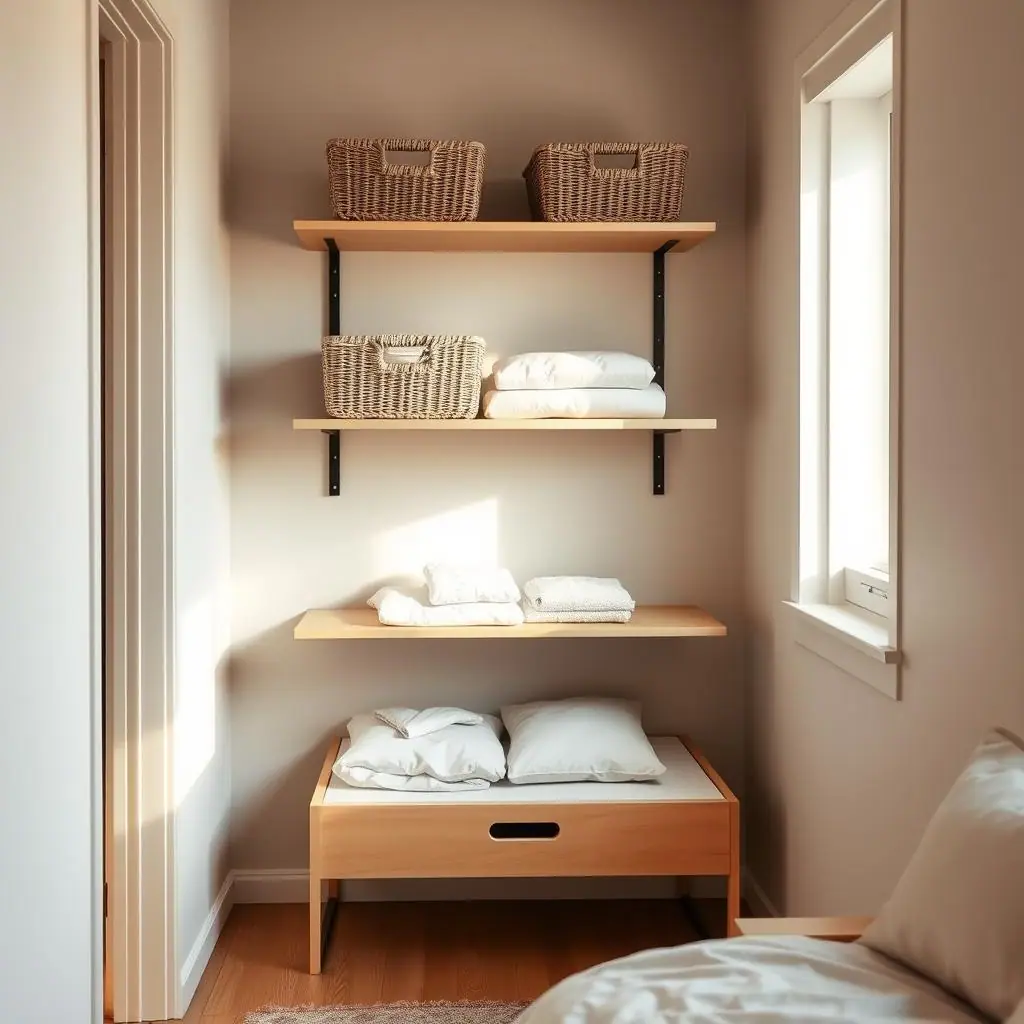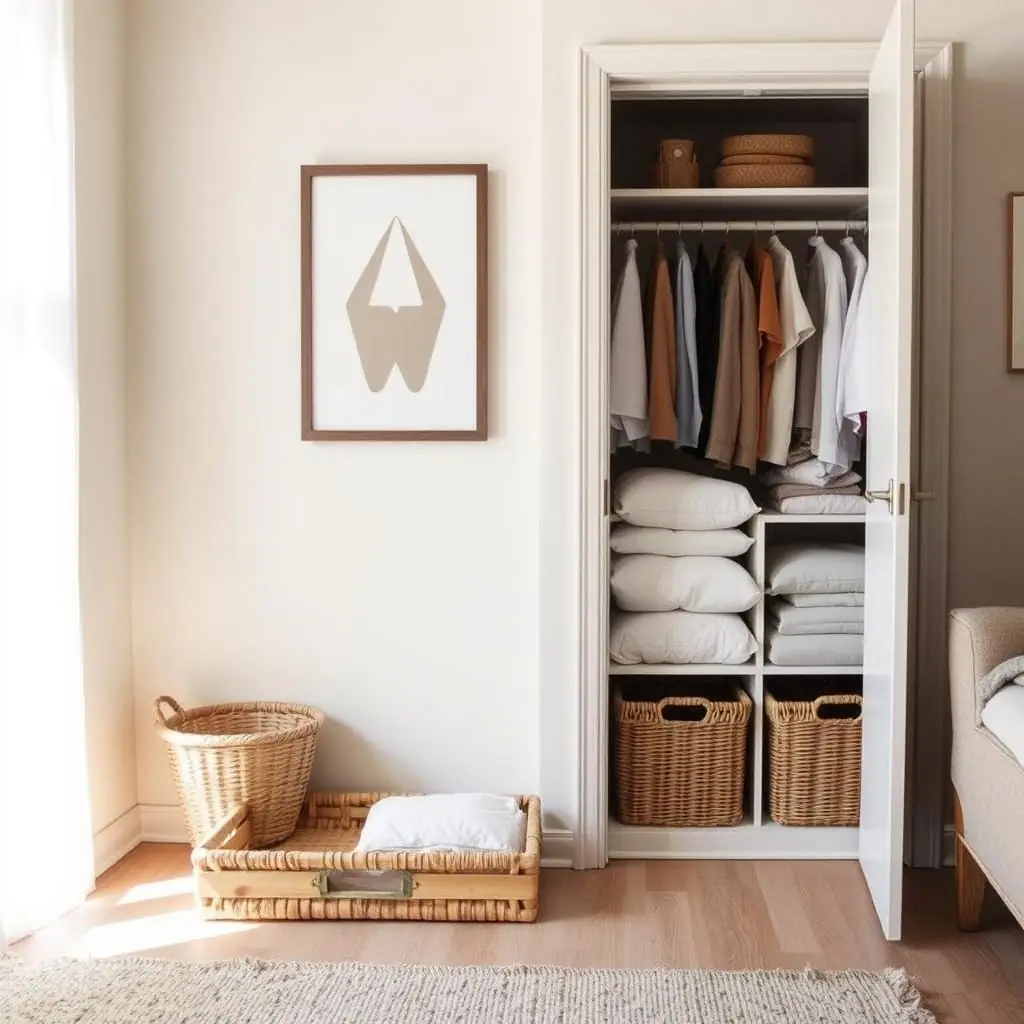
Learning how to organize a small reach-in closet step by step is less about making the closet look perfect and more about making it easier to use on an ordinary morning. A small closet can hold a surprising amount, but only when every shelf, rod, bin, and floor space has a clear job.
The common problem is that reach-in closets are shallow, narrow, and easy to overfill. Clothes slide together, shoes collect on the floor, bags hang from random hooks, and the top shelf becomes a place for things you do not want to decide about. The calmer fix is to work in order: empty, sort, measure, assign zones, and then choose only the organizers that solve a specific problem.
This guide walks through a small reach-in closet reset that works for renters, apartment dwellers, and anyone who wants a closet routine that stays useful after laundry day.
Why a Small Reach-In Closet Needs a Step-by-Step System
A reach-in closet usually has one main rod, one upper shelf, and a narrow floor. That layout can work well, but it gives you very little room for vague storage. If every item competes for the same easy-reach space, the closet starts to feel crowded even before it is truly full.
The goal is not to store every piece of clothing in the most beautiful way. The goal is to make daily items easy to reach, keep heavy or awkward items low, and move seasonal or rarely used pieces out of prime space.
Safety matters too. Avoid loading high shelves with heavy items or relying on unstable stacks. For general furniture and storage stability awareness, the U.S. Consumer Product Safety Commission's Anchor It guidance is a useful reference before using tall freestanding storage near closets or bedrooms.
Start With Closet Systems and Wardrobe Storage Basics
Before buying hangers, bins, dividers, or a closet kit, give the closet a simple job map. A small reach-in closet works best when each part of the closet handles one type of decision.
The rod is for active clothing
The hanging rod should hold the clothes you wear now. If it is packed with out-of-season coats, formalwear, old sizes, and daily shirts, every choice takes longer. Keep the active wardrobe in the center and push occasional pieces to the edges.
The upper shelf is for light overflow
The top shelf is useful for lightweight categories such as folded sweaters in breathable bags, extra bedding in a labeled bin, or a small seasonal box. It is not ideal for heavy stacks, mystery bins, or anything you need daily.
If your whole apartment feels crowded, it can help to reset one room first. ShelfCalm's guide to organizing a small apartment without buying more furniture explains how to reduce storage pressure before adding more containers.
What to Check First Before You Organize
Do not start by shopping. Start by checking the closet itself. A few measurements and honest observations will prevent the most common storage mistakes.
- Rod width: measure the usable hanging space and notice where clothes bunch up.
- Shelf depth: check whether deep bins would hide items or make the shelf harder to use.
- Floor clearance: leave enough room for shoes, a low bin, or a hamper without blocking the door track.
- Door type: sliding doors, hinged doors, and curtains all change what you can reach easily.
- Lease and product limits: check instructions before using adhesive hooks, over-door organizers, or any mounted shelf.
How to Organize a Small Reach-In Closet Step by Step
Work in a small sequence so the closet does not become a full-room mess. If you only have one hour, do steps one through four first and save product decisions for later.
- Empty one section at a time: remove clothes from one side of the rod, the floor, or the top shelf. Do not empty the entire bedroom unless you have enough time to finish.
- Sort by use, not by fantasy: make groups for weekly clothes, occasional clothes, seasonal pieces, shoes, bags, accessories, and items that do not belong in the closet.
- Remove the obvious excess: set aside damaged pieces, duplicates you avoid wearing, empty boxes, old hangers, and items that no longer fit your routine.
- Put daily clothing in the easiest reach: place current-season tops, pants, dresses, or uniforms where your hand naturally goes first.
- Move occasional pieces to the edges: formalwear, guest bedding, and rare-use items can sit farther left, farther right, or on the upper shelf in labeled storage.
- Use the floor for low, contained categories: shoes, a slim hamper, or one labeled bin usually works better than loose piles.
- Add one organizer only if it solves a named problem: choose shelf dividers for tipping stacks, a shoe rack for floor clutter, or slim matching hangers for crowded rods.
- Test the reset for one laundry cycle: after clean clothes return, check what still lands on a chair or floor. That is the next area to fix.
For small homes where the closet shares jobs with the rest of the room, the article on creating storage zones in a studio apartment can help you decide what should stay in the closet and what needs a different zone.
Common Closet Systems and Wardrobe Storage Mistakes to Avoid
Mistake 1: Buying a full closet system too early
A closet kit can help, but it should follow the inventory. If you buy shelves before knowing whether you need shoe storage, folded storage, or more hanging room, the system may solve the wrong problem.
Mistake 2: Treating every hanger as equal
Bulky hangers waste rod space quickly. A consistent hanger type can calm the rail, but do not replace hangers until you have edited the clothing first.
Mistake 3: Letting the top shelf become a hiding place
The upper shelf should be labeled and light enough to review. If you cannot tell what is in a bin from the floor, it will probably become long-term clutter.
Mistake 4: Ignoring the return path
A closet is only organized if clean laundry can return easily. If putting clothes away requires moving bins, lifting stacks, or squeezing hangers into a packed rod, the system is too tight.
Pros and Cons
Improves daily decisions
When current clothes are easiest to reach, getting dressed takes less sorting and less second-guessing.
Reduces wasted storage
Clear zones help the rod, shelf, and floor do separate jobs instead of becoming one crowded pile.
Works before major purchases
The method shows what you truly need before you spend money on closet organizers.
Requires editing first
The closet will not feel calmer if every unused item goes back into the same small space.
Needs a reset after laundry
Clean clothes can overwhelm a small closet unless you leave enough open space on the rod and shelf.
A Simple Checklist
- Does the rod hold mostly current-season clothing? Move occasional pieces to the edges.
- Can you reach daily items without shifting bins? If not, simplify the prime zone.
- Are heavy items low? Keep weight near the floor and avoid awkward overhead lifting.
- Is the top shelf labeled? Use light, clear categories instead of mystery storage.
- Can laundry return in five minutes? Leave enough room for normal weekly use.
When to Get Extra Help
Get extra help if the closet reset involves heavy lifting, tall freestanding furniture, wall-mounted shelves, unstable stacks, or anything that blocks doors, vents, heaters, outlets, or walking paths. A second person can help measure, lift, and notice balance issues before the closet is loaded.
If you are using a product with stated weight limits, adhesive requirements, or installation steps, check the manufacturer's instructions before loading it. In a rental, confirm lease rules before drilling, adding permanent hardware, or using adhesive products on painted surfaces.
Frequently Asked Questions
What should I check first in a small reach-in closet?
Check what you use every week. Those items deserve the easiest reach. Seasonal, formal, or rarely used items can move to edges, upper shelves, or another storage zone.
How often should I review the closet?
Review it after one laundry cycle, then once a season. Laundry day shows whether the system has enough room to keep working.
What should I do if I am not sure which organizer to buy?
Wait until you can name the exact problem. Buy a shoe rack for shoe overflow, shelf dividers for tipping stacks, or slim hangers for rod crowding. Avoid buying a full system for a vague problem.
Can I undo these closet changes later?
Yes, if you start with movable bins, hangers, dividers, and category changes. Mounted shelves and adhesive products need more care, so verify removal instructions first.
Final Thoughts
How to organize a small reach-in closet step by step comes down to one calm sequence: edit first, map the closet zones, place active clothing in the easiest reach, keep heavy items low, and test the system after laundry returns.
Start with one section today. Clear the floor, reduce the rod crowding, or label the top shelf. A small closet feels much easier when every part has one clear job.