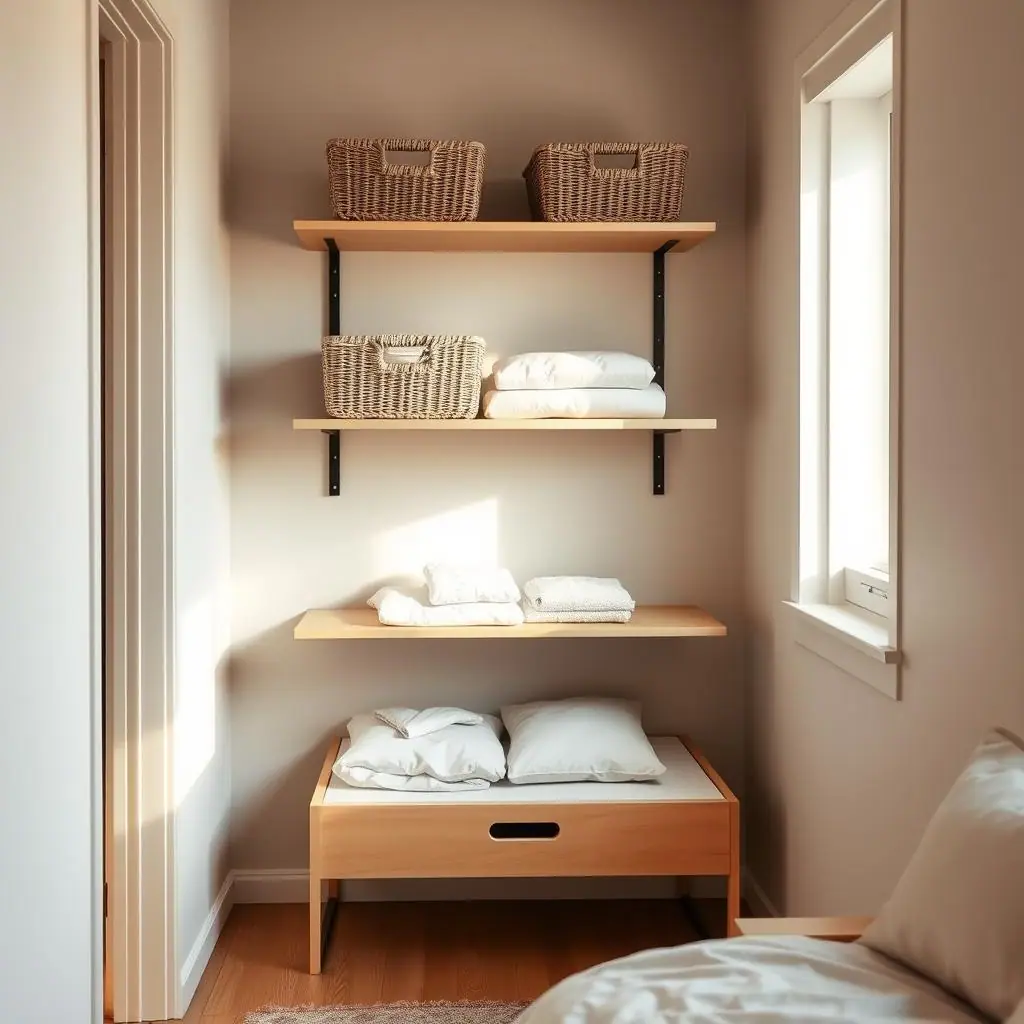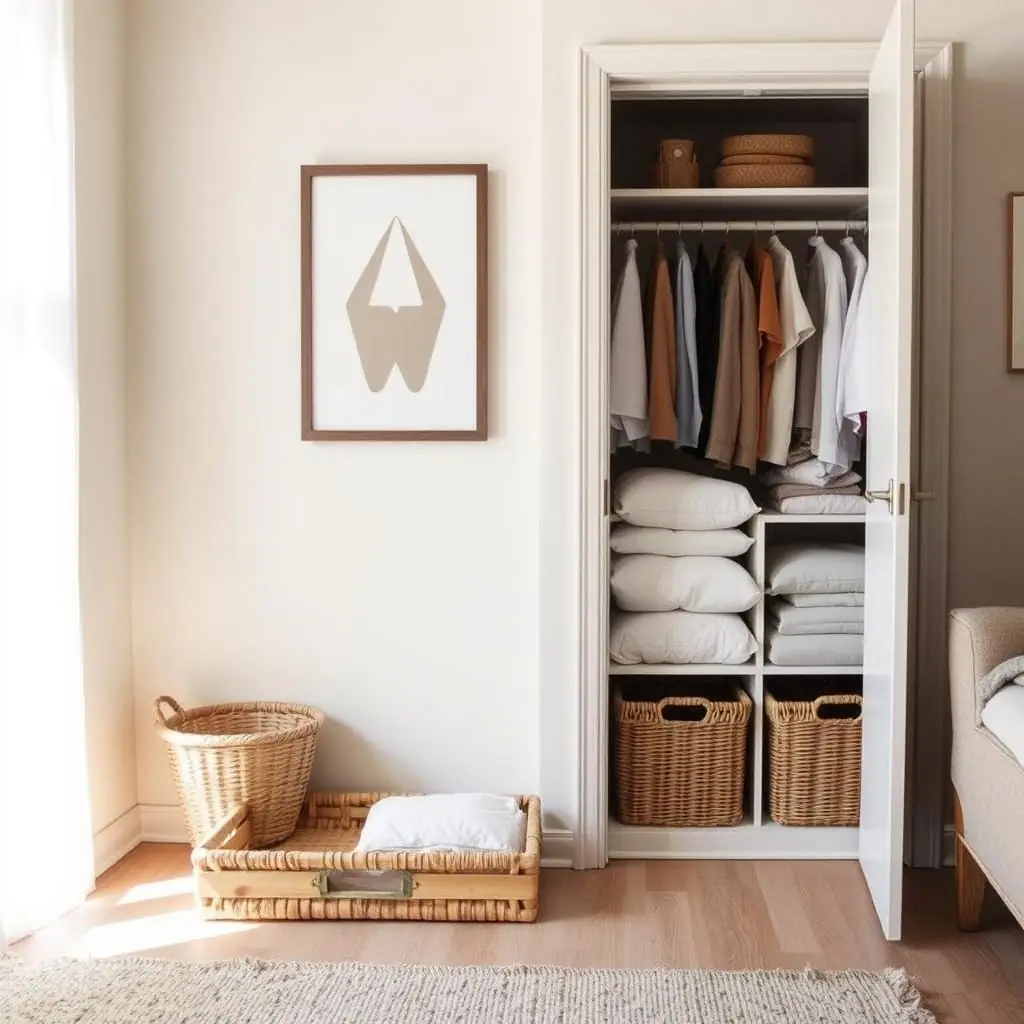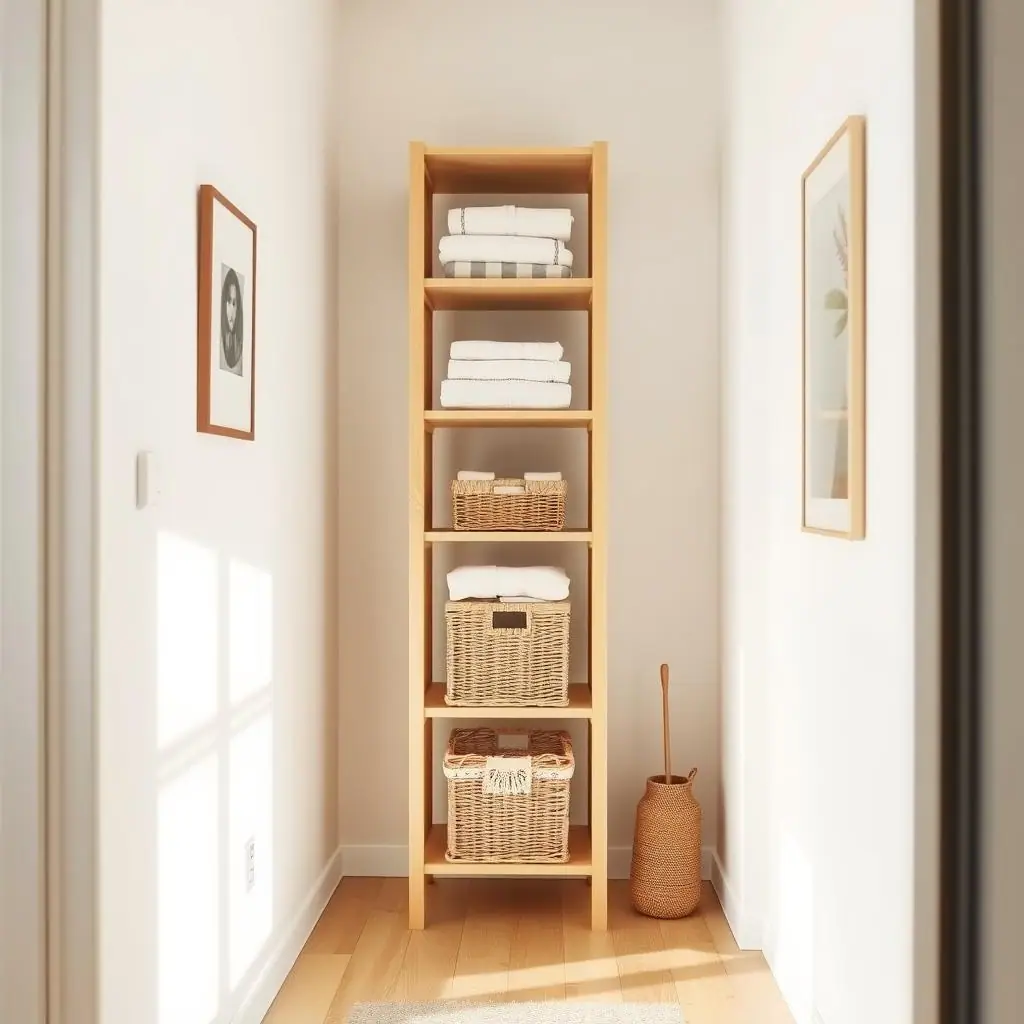
The best vertical storage ideas for small apartments are not about filling every wall. They are about using height only where it makes daily life easier. A tall shelf, over-door rack, or stack of bins can help a small home feel calmer, but only when it has a clear job, safe loading, and enough breathing room around it.
Vertical storage works best when floor space is tight and surfaces are already doing too much. Instead of adding another cabinet or side table, you look for unused height near the entry, closet, kitchen, bathroom, or laundry corner. The goal is simple: move occasional or lightweight categories upward while keeping everyday items easy to reach.
Start with one friction point. Then choose a vertical solution that matches the weight, reach, wall surface, lease rules, and visual load of that spot.
Why Vertical Storage Matters in Small Apartments
Small apartments often have enough cubic space but not enough obvious storage. The floor gets crowded first: shoes spread near the door, pantry overflow sits on counters, laundry supplies collect around machines, and closet shelves become layered piles. Vertical storage gives those categories a defined place without taking over the walking path.
It also creates better separation. A shelf above a desk can hold office extras. A slim bookcase near the entry can collect bags and outgoing items. A wall rail in the kitchen can lift light tools off a drawer that is already full.
Safety is part of the decision. Tall furniture, stacked bins, and wall-mounted storage should follow product instructions and surface limits. The U.S. Consumer Product Safety Commission's Anchor It guidance explains why furniture and TVs should be secured when tip-over risk is present, especially around children.
Start With Apartment Storage Basics
Before choosing a product, look at the apartment as a set of storage zones. Which zone is failing because it has no height to use? Which category is spreading because it has no clear upper shelf, hook, or rail? If the whole apartment feels crowded, begin with the area you touch most often.
Check the job before the product
A vertical solution should answer one specific need. Examples include shoes at the entry, baking tools in a small kitchen, spare towels near the bathroom, or seasonal clothing above a closet rod. If you cannot name the category, the storage will probably become overflow.
Respect reach and weight
Daily-use items should stay between waist and eye level when possible. High shelves are better for lightweight backup items, off-season pieces, paper goods, or containers you open occasionally. Dense tools, appliances, books, and bulk food should stay lower and more stable.
If you are still mapping the whole space, ShelfCalm's guide to organizing a small apartment without buying more furniture can help you reuse existing shelves, cabinets, and surfaces before adding anything new.
What to Check First Before Using Vertical Storage
Vertical storage depends on the surface, the load, and the habit. A renter-friendly product can still fail if it is overloaded, installed on the wrong finish, placed where a door hits it, or used for items that are too heavy to lift safely.
- Lease limits: check whether drilling, adhesive products, or door-mounted organizers are allowed.
- Surface type: painted drywall, tile, hollow doors, metal doors, and cabinet sides all behave differently.
- Product instructions: follow manufacturer guidance for load limits, anchors, adhesive cure time, and cleaning steps.
- Door swing and clearance: make sure hooks, racks, and bins do not block doors, drawers, vents, or walkways.
- Reset effort: choose a setup you can return items to without a step stool for daily use.
How to Use Vertical Storage Step by Step
Work in a small loop: identify the clutter point, choose the height, contain the category, and test the reset. This prevents overbuying and keeps the apartment from becoming a wall of storage products.
- Choose one crowded zone: entry, closet, kitchen cabinet, bathroom cabinet, laundry nook, or desk area.
- Name the category: decide exactly what will live there, such as daily bags, light pantry backups, spare towels, or cleaning refills.
- Measure the real space: include width, depth, height, door swing, nearby outlets, trim, and baseboards.
- Pick the safest height: keep heavy items low and put light, occasional items higher.
- Use one containment method: a shallow bin, basket, hook row, shelf riser, rail, or over-door pocket is usually enough.
- Review after normal use: after laundry day, grocery day, or a busy morning, check whether the setup still makes sense.
For small-space layouts that need more than one zone, the ShelfCalm article on creating storage zones in a studio apartment explains how to keep storage decisions tied to daily routines instead of random containers.
Vertical Storage Ideas That Usually Work
Over-door storage for light categories
Over-door racks can work well for scarves, hats, cleaning cloths, gift wrap, hair tools, or bathroom backups. Avoid loading them with heavy bottles or dense pantry goods unless the product instructions clearly support it and the door still closes properly.
Tall narrow shelving
A slim shelf can help an entry, bathroom, or kitchen corner if it has a narrow footprint and a stable base. Place heavier items on the lower shelves and lighter baskets above. If the shelf is tall or could tip, follow the manufacturer's anchoring guidance and lease rules.
Wall rails and hook rows
Rails are useful when the category is visible and used often: mugs, light kitchen tools, keys, bags, or cleaning tools. Keep the rail short and intentional. A long row of mixed items can look busy in a small apartment.
Closet shelf risers and stackable bins
Risers can split tall closet shelves so folded clothes or linens are not stacked too high. Stackable bins work best when the lower bin can still be accessed without unloading the entire pile. If access is hard, the system will not last.
Common Apartment Storage Basics Mistakes to Avoid
The most common mistake is using vertical storage for everything. Height is useful, but a small apartment also needs quiet walls and easy reach. Leave some blank space so the room does not feel like a storeroom.
Another mistake is ignoring maintenance. Clear bins, open baskets, and hooks all need review. If a shelf is too high to reset easily, it should hold occasional items only.
Do not use wall-mounted or adhesive products without checking instructions. Surface prep, weight limits, humidity, and cure time matter. When a setup depends on holding weight above a floor or counter, guesswork is not enough.
Pros and Cons
Uses space that is often ignored
Walls, door backs, cabinet height, and closet tops can support defined categories without taking more floor space.
Helps small rooms keep clear paths
Moving light overflow upward can reduce piles near doors, counters, beds, and laundry corners.
Works with renter-friendly options
Freestanding shelves, over-door racks, tension products, and removable organizers may help when permanent changes are not allowed.
Can become visually crowded
Too many visible bins, hooks, and rails can make a small room feel busy even when items are technically organized.
Needs careful safety checks
Tall furniture, mounted shelves, adhesive products, and stacked bins require surface, weight, and instruction checks.
A Simple Vertical Storage Checklist
- Can I name the exact category? If not, pause before buying a container.
- Is the item light enough for this height? Store heavy or awkward objects lower.
- Can I reach daily items easily? Do not put everyday essentials where a step stool is required.
- Does the door, drawer, or walkway still work? Test movement before loading the organizer.
- Did I check the instructions? Follow product guidance for load limits, anchors, surfaces, and installation.
When to Get Extra Help
Get help when the plan involves mounting shelves, anchoring furniture, moving a tall bookcase, loading storage above shoulder height, or using adhesive products on an uncertain surface. A second person can help measure, lift, and check whether the setup feels stable.
If the product instructions are unclear, look for manufacturer support or choose a simpler freestanding option. A storage idea should reduce friction, not create a risky installation project.
Frequently Asked Questions
What should I check first before adding vertical storage?
Start with the category and the surface. Know what will be stored, how heavy it is, how often you need it, and whether the wall, door, shelf, or cabinet can support the setup.
How often should I review vertical storage?
Review it after a normal weekly reset. If items are hard to put back or the area looks crowded, reduce the category or move daily items lower.
What should I do if I am not sure a product is safe?
Do not guess. Check the product instructions, lease rules, and surface requirements. For tall furniture or tip-over concerns, use trusted safety guidance before loading the piece.
Can I undo vertical storage later?
Usually, yes, especially with freestanding shelves, over-door racks, bins, and baskets. Wall-mounted or adhesive products may leave marks, so check removal instructions before installation.
Final Thoughts
The best vertical storage ideas for small apartments are specific, measured, and easy to reset. Use height where it solves a real storage problem, not just because a wall looks empty.
Choose one crowded zone, keep heavy items low, follow product instructions, and test the setup for a week. When vertical storage supports the way you already live, a small apartment starts to feel calmer without adding more furniture than it needs.