Learning how to store out-of-season clothes in a small apartment is less about finding a perfect container and more about building a calm rotation. Winter sweaters, summer linen, extra coats, boots, swimwear, and holiday outfits all need a place to rest without taking over the closet you use every morning.
The goal is simple: keep current clothes easy to reach, protect stored clothes from dust and crushing, and avoid creating heavy, awkward storage that is hard to maintain. A small apartment can handle seasonal clothing if each category has a clear job and a review date.
Why Out-of-Season Clothes Storage Matters
In a larger home, off-season clothing can disappear into a spare closet. In a small apartment, it often shares space with daily clothes, linens, luggage, cleaning supplies, or utility items. Without a plan, the closet starts asking you to do too many things at once.
Good seasonal storage protects your daily routine. If your warm-weather clothes are packed away clearly, your cold-weather closet has room to breathe. If heavy coats are not crammed behind everyday shirts, laundry day becomes easier to reset. The best system is not the one with the most bins; it is the one you can understand quickly six months later.
Start With One Closet Systems and Wardrobe Storage Zone
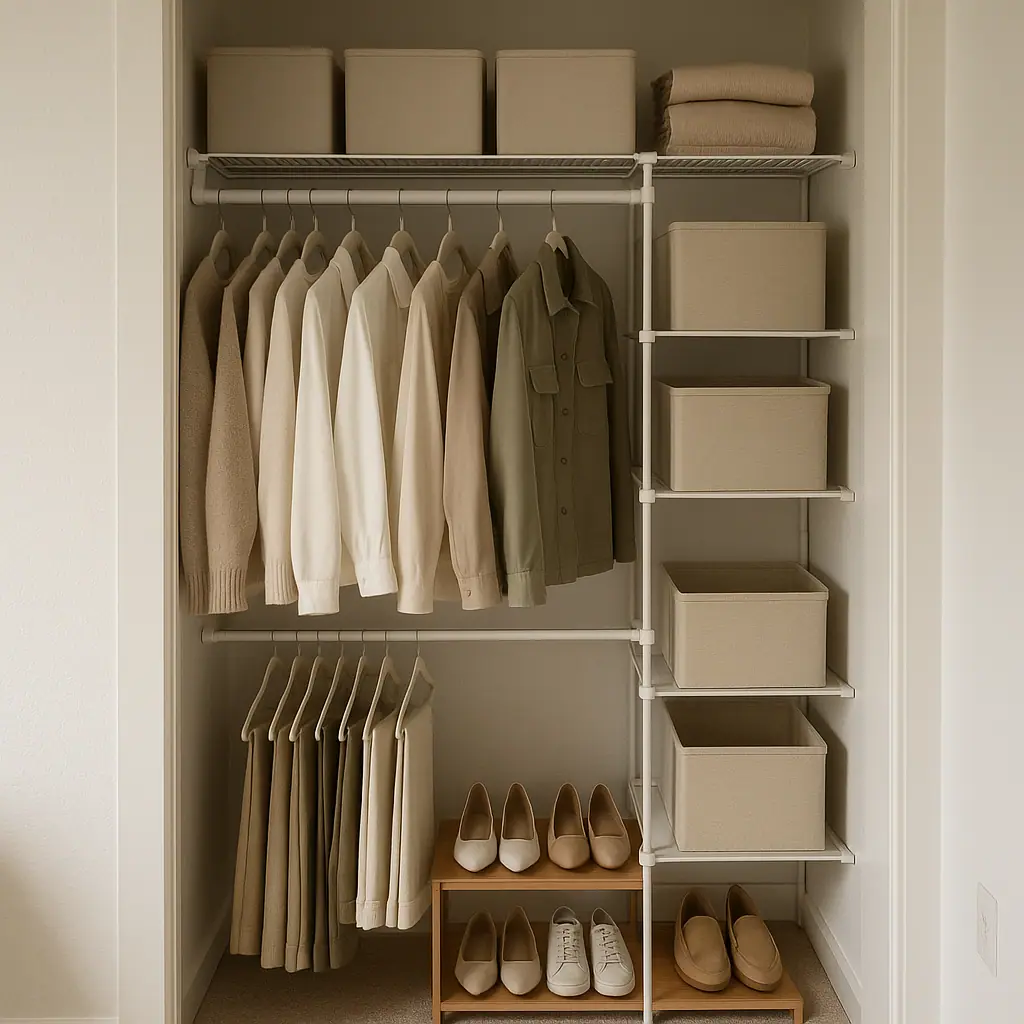
Begin with one storage zone, not the whole apartment. A reach-in closet shelf, under-bed area, top wardrobe shelf, or labeled storage bench can become the seasonal zone. Choose a place that is dry, reachable, and not already overloaded.
Choose the active zone first
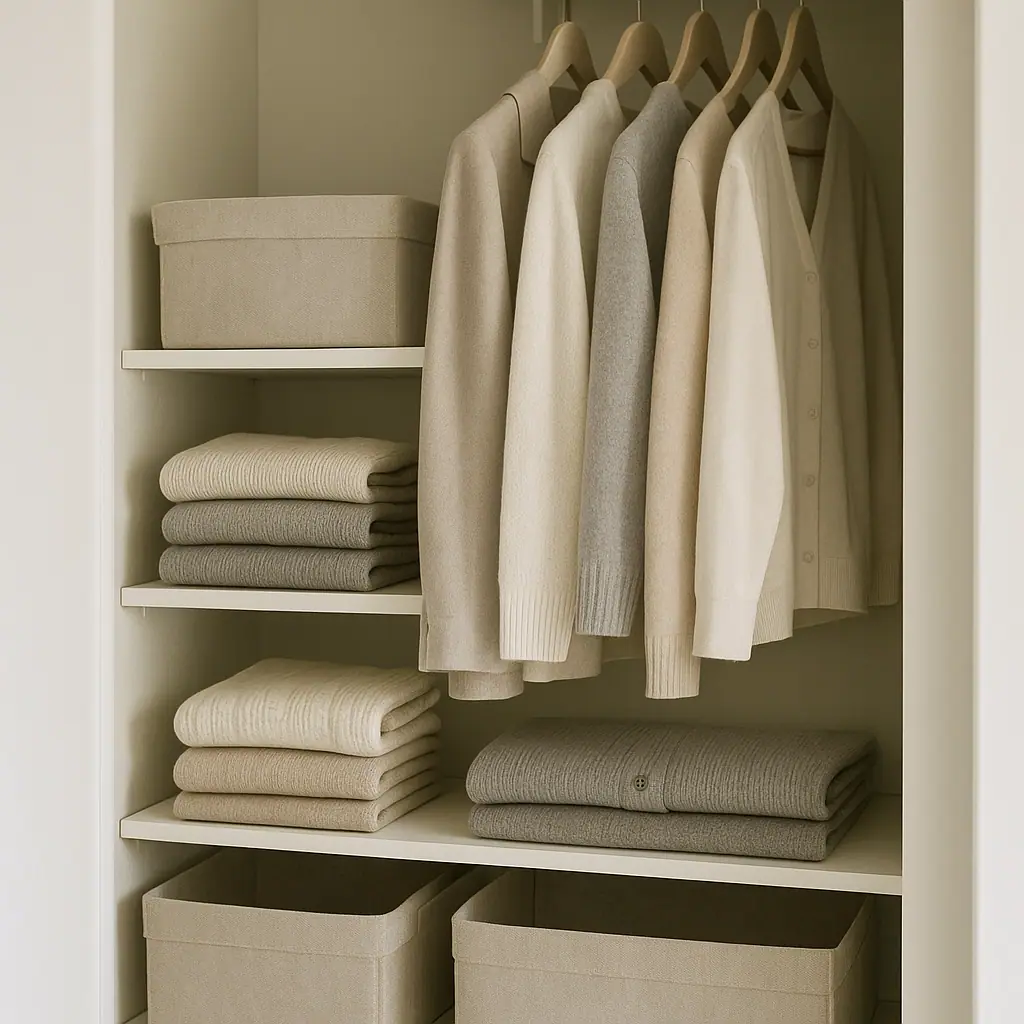
Your active zone is where current-season clothes live. Give it the easiest access: hanging space for what wrinkles, drawer space for what folds, and one visible shelf for items you reach weekly. Once the active zone is comfortable, the out-of-season zone becomes easier to define.
Choose the resting zone second
The resting zone is where stored clothes wait. It can be a shallow under-bed container, a breathable fabric bin, a suitcase used only for clothing, or a high shelf with lightweight items. Avoid mixing stored clothing with random overflow, because that turns seasonal storage into a guessing game.
What to Check First Before You Store Clothes
Before you pack anything away, check four things: condition, cleanliness, container size, and storage location. Clothes should be clean and fully dry before storage. Containers should fit the space without forcing doors, shelves, or drawers. The location should not require awkward lifting every time you need one item.
If you plan to use a tall dresser, wardrobe, or freestanding shelving unit as part of your clothing storage, check stability before adding more weight. The U.S. Consumer Product Safety Commission's Anchor It furniture safety guidance is a useful reference for understanding why tall furniture and clothing storage units should be treated carefully.
For product-specific storage furniture, follow the manufacturer's instructions for load limits, anchoring, and assembly. ShelfCalm's general rule is conservative: keep heavy seasonal storage low, keep high shelves light, and do not guess about a product's weight rating.
How to Store Out-of-Season Clothes in a Small Apartment Step by Step
- Pull one season at a time: separate the clothing you will not wear for the next few months. Do not empty every closet and drawer at once.
- Inspect before storing: set aside items with stains, missing buttons, weak seams, or stretched elastic so they do not return as future clutter.
- Wash and dry fully: store only clean, dry clothes. Damp fabric can create odor and damage other pieces nearby.
- Group by future use: make simple categories such as winter sweaters, summer tops, formal wear, coats, swimwear, or accessories.
- Pick the right container depth: shallow containers work well under beds, while soft bins are easier on closet shelves.
- Label plainly: use labels like Winter Sweaters or Summer Linen instead of vague labels like Clothes.
- Leave a little room: do not overfill containers. A small amount of space helps fabric keep its shape and makes the bin easier to close.
- Set a review month: write the month you expect to reopen the container so it becomes part of your seasonal routine.
Container Choices That Stay Manageable
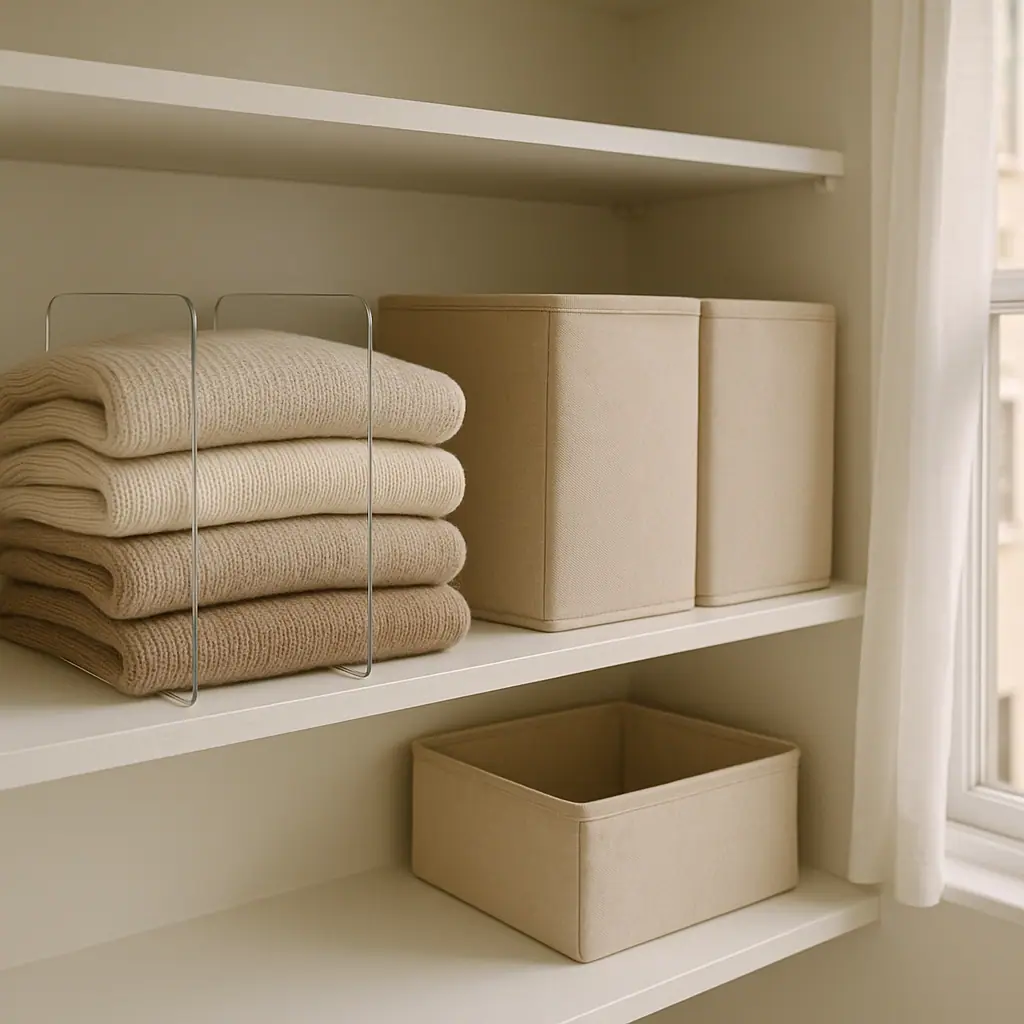
Small apartments reward containers that are easy to move and easy to identify. Clear bins help when you forget what you own. Fabric bins look softer on open shelving and can reduce visual clutter. Vacuum bags can save space for bulky fabric, but they are better for short-term compression than for delicate pieces that should keep their shape.
Under-bed containers are useful when the bed frame gives enough clearance and the container can slide out smoothly. For closets, lightweight bins with handles are easier to manage than deep boxes. For coats and structured items, hanging garment bags or a clearly limited section of closet rod may be calmer than folding everything into a cube.
Common Closet Systems and Wardrobe Storage Mistakes to Avoid
The first mistake is storing too much just because a container has space. A full container is not automatically organized. It should hold one clear category that you can name quickly.
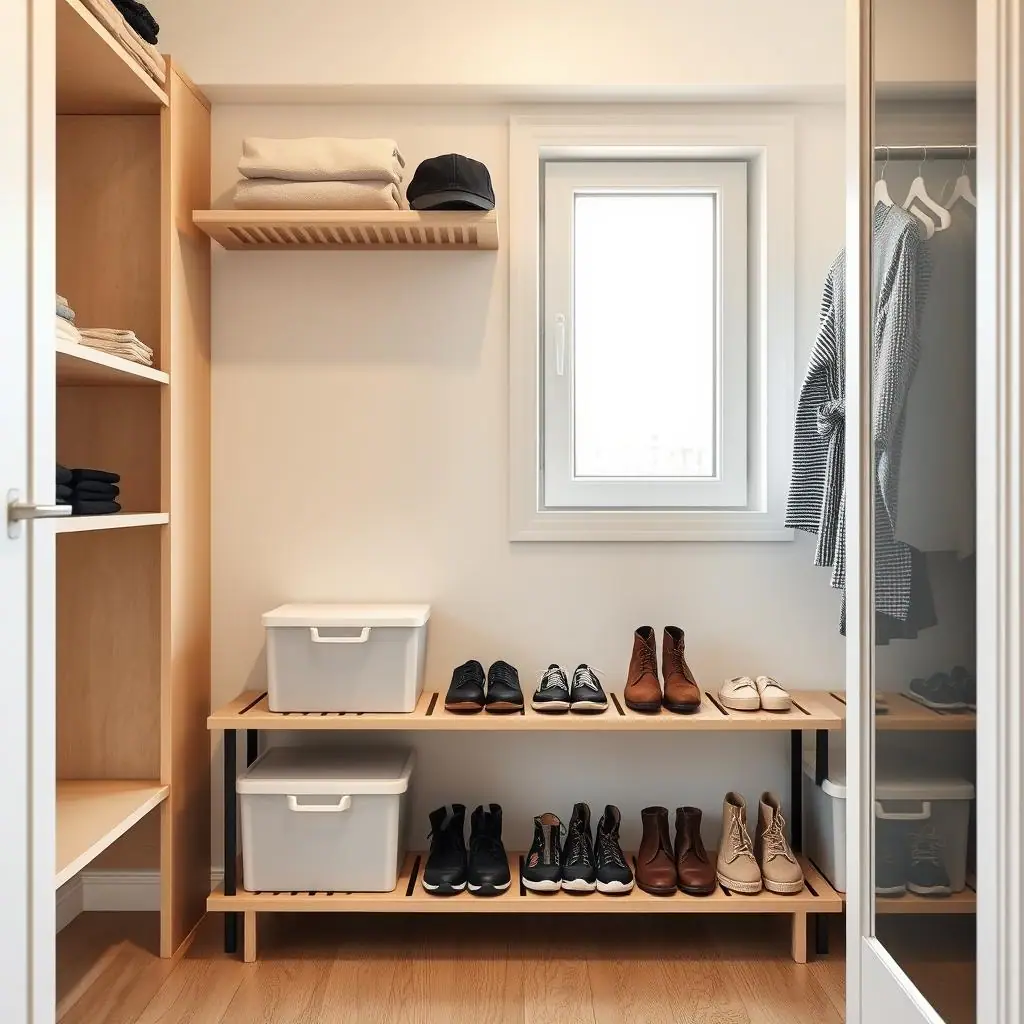
The second mistake is putting heavy bins on high shelves. Even if the shelf can hold the weight, the container may be awkward to lift down. Keep shoes, coats, and dense folded clothing lower, and reserve upper shelves for lightweight items such as scarves, hats, or soft seasonal bedding.
The third mistake is skipping the review. Out-of-season storage should not become a permanent archive. Each time you open a container, remove anything that no longer fits your body, routine, climate, or apartment storage limits.
Pros and Cons of Seasonal Clothing Storage Options
Easy to identify later
They make it clear which season or clothing group is inside, especially when stored under a bed or on a shelf.
Good for repeat routines
The same bins can rotate between summer and winter clothes every year with only a label update.
Can become too heavy
Large bins invite overpacking, which makes them harder to pull, lift, or return safely.
Helpful for bulky fabric
They can reduce the volume of puffy coats, spare blankets, and other soft seasonal items.
Flexible in tight spaces
Soft storage can fit into awkward closet corners more easily than rigid boxes.
Not right for every garment
Delicate, structured, or easily wrinkled clothing may do better with gentle folding or hanging.
A Simple Seasonal Storage Checklist
- Clean first: store only clean and dry clothes.
- Use one category per container: avoid mixed mystery bins.
- Keep heavy storage low: upper shelves should stay light and easy to handle.
- Label by season and item: choose labels you will understand quickly later.
- Leave access space: make sure containers can slide out without moving five other things.
- Review twice a year: edit the container when you open it and again before you close it.
When to Get Extra Help
Ask for help if a storage location requires a step stool, awkward lifting, or moving heavy furniture. Small apartments often make people use every high shelf, but safe storage matters more than squeezing in one more container.
You should also pause if you are using adhesive shelves, tall wardrobes, stacked drawers, or freestanding units in a rental. Check the lease, product instructions, and wall or surface limits before adding storage that depends on hardware, adhesive, or a furniture anchor.
Frequently Asked Questions
What should I check first before storing out-of-season clothes?
Check that the clothes are clean and dry, then confirm the container fits the space without becoming too heavy to move.
How often should I review seasonal clothing storage?
Review it twice a year, once when you open the season and once before you pack that season away again.
Are vacuum bags good for small apartments?
They can help with bulky soft items, but they are not ideal for every garment. Avoid compressing delicate or structured pieces for long periods.
Can I change the system later?
Yes. Seasonal storage should adjust as your wardrobe, climate, apartment layout, and daily routine change.
Final Thoughts
The simplest way to store out-of-season clothes in a small apartment is to make the system repeatable. Choose one resting zone, use clear categories, keep heavy items low, and label containers for the version of you who will reopen them months from now.
Start with one container today. If that container is easy to find, easy to move, and easy to reset, you have the beginning of a calmer seasonal wardrobe routine.