What to check before using adhesive shelves is less about finding the strongest-looking product and more about slowing down before a shelf becomes part of your daily routine. Adhesive shelves can be useful in rentals, small bathrooms, entryways, laundry corners, and narrow kitchens, but they are not a shortcut around surface limits, weight limits, moisture, or lease rules.
A calm setup starts with a small decision: what exactly needs a shelf, how heavy it is when fully loaded, and whether the wall, tile, cabinet side, or backsplash can honestly support it. If those checks feel unclear, the lower-risk answer may be a bin, tray, freestanding shelf, or over-door organizer instead.
Why Adhesive Shelf Checks Matter
Adhesive shelves are appealing because they promise storage without drilling. For renters, that sounds simple. For small homes, it can feel like a way to turn unused wall space into a home for daily items. The problem is that a shelf is different from a hook. It projects from the wall, collects multiple items, and often becomes heavier over time.
That is why the first check is not whether the shelf looks tidy. The first check is whether it will still be safe and removable after normal use. A shelf that holds one light bottle on day one may end up holding glass jars, cleaning sprays, a plant, or stacked toiletries by the end of the month.
For general product-safety context, the U.S. Consumer Product Safety Commission provides consumer safety education and recall information through CPSC.gov. That does not replace the instructions for your exact shelf, but it is a useful reminder to treat wall-mounted and storage products conservatively when stability or falling objects could matter.
Start With the Surface Before the Shelf
The surface decides whether an adhesive shelf is even worth considering. Smooth, clean, solid surfaces are usually more realistic than textured paint, wallpaper, dusty plaster, raw wood, brick, grout-heavy tile, or old peeling paint. If the surface is already weak, the adhesive may only be as strong as the paint layer beneath it.
Check the area in daylight. Run a dry cloth over it. Look for dust, grease, moisture, loose paint, uneven texture, soft spots, old adhesive residue, or signs that the surface has been patched. If the wall feels questionable, do not use that spot for a shelf.
Bathrooms and kitchens need extra caution
Steam, splashes, cooking oil, soap film, and cleaning sprays can all make adhesive storage less reliable. A bathroom shelf near a shower or a kitchen shelf near a stove may need a product specifically designed for that environment. If the instructions do not mention damp or high-humidity spaces, assume the shelf belongs somewhere drier.
Rental surfaces are not all yours to test
Even removable products can leave marks when used on the wrong surface or removed too quickly. Check your lease before adding adhesive shelves to painted walls, cabinet sides, tile, doors, mirrors, or backsplashes. If the lease is strict or the surface is expensive to repair, choose storage that stands on a counter, floor, shelf, or cabinet base.
What to Check Before Using Adhesive Shelves
Use a practical checklist before opening the package. This keeps the decision calm and makes it easier to walk away from a product that is not right for the space.
- Exact product instructions: read the package or manufacturer page for surface rules, cleaning prep, curing time, weight limit, temperature guidance, and removal steps.
- Loaded weight: count the weight of the shelf plus everything that may sit on it after a normal week, not just the one item you plan to place there today.
- Surface condition: avoid loose paint, wallpaper, textured walls, dusty tile, damp areas, greasy backsplashes, and any surface that flakes when touched.
- Reach height: do not place items where they will be pulled downward at an angle, bumped by elbows, or reached by children or pets.
- Moisture and heat: keep adhesive shelves away from showers, radiators, ovens, direct heat, and frequently wet zones unless the product is designed for that use.
- Removal risk: confirm that you can remove the strips slowly and correctly at move-out without rushing or pulling toward yourself.
Manufacturer guidance matters here. Command, for example, says its hooks, ledges, and caddies come in different sizes and weight limits, and its application guidance includes surface prep, wait time, and removal steps. Review the Command application and removal instructions for that product family before assuming a similar shelf will behave the same way.
How to Test an Adhesive Shelf Step by Step
A slow test is better than a fast installation. The goal is to find the least risky way to store a light category without making the wall responsible for too much.
- Name the shelf job. Decide whether the shelf is for daily skincare, a small plant, spices, lightweight cleaning cloths, keys, or another specific category.
- Weigh the full category. Include packaging, bottles when full, and anything that might be added later. If you cannot estimate the weight, choose a different storage method.
- Read the instructions first. Check approved surfaces, surface prep, cure time, temperature limits, humidity notes, and removal method before cleaning the wall.
- Clean only as directed. Some adhesive products specify rubbing alcohol and warn against household cleaners. Follow the product you actually own.
- Mark the placement lightly. Use a removable note or painter-safe guide if appropriate, then check door swings, cabinet openings, elbows, and walking space.
- Let the adhesive set. Do not load the shelf early. If the instructions say to wait, waiting is part of the installation, not an optional detail.
- Load below the limit. Treat the stated limit as a ceiling, not a goal. Leave margin for daily bumps, humidity, and accidental extra items.
- Review after one week. Check for lifting edges, wall marks, tilting, added weight, or items that are hard to return neatly.
Pros and Cons
Adhesive shelves can be useful in the right small-space situation, but they should stay modest. Their best job is light, visible, easy-to-reset storage.
No drilling required
They can add a small landing spot without permanent holes when the surface and lease allow removable products.
Helpful for light daily items
A small shelf can keep keys, toiletries, spices, or lightweight supplies visible and easier to return.
Easy to test at small scale
When you keep the category narrow, you can learn quickly whether the location improves the routine.
Surface limits are strict
Texture, old paint, wallpaper, dust, grease, heat, and moisture can make an adhesive shelf unreliable.
Overloading happens quietly
A shelf that starts with one light item can become a catch-all unless the category has a clear boundary.
Common Adhesive Shelf Mistakes to Avoid
The biggest mistake is using an adhesive shelf because drilling is not allowed, even though the item is too heavy for removable storage. If the shelf needs to hold glass, tools, full bottles, appliances, cookbooks, or anything breakable, choose a more stable option.
The second mistake is trusting a clean-looking wall without checking the paint. Old paint can peel. New paint may need time before adhesive products are used. Wallpaper, paper-backed surfaces, and soft materials are usually poor candidates for adhesive storage.
The third mistake is skipping the removal plan. Renter-friendly storage should be judged at move-out, not just on installation day. If the product requires a specific removal direction, slow stretching, or extra access below the strip, leave enough room to do that later.
The fourth mistake is placing shelves where people naturally bump them. A narrow hallway, tight bathroom, cabinet door path, or shoulder-height corner can turn a small shelf into a daily snag point.
A Simple Adhesive Shelf Checklist
Before using adhesive shelves, run through these yes-or-no checks.
- Is the item light enough when fully loaded? If not, use freestanding or drilled storage where allowed.
- Is the surface smooth, solid, clean, dry, and approved? If any part is uncertain, pause.
- Did I check the lease? Removable does not always mean allowed.
- Did I read the exact product instructions? Similar products can have different limits and wait times.
- Can I remove it correctly later? Leave room to pull strips or release the product the way the manufacturer describes.
- Will the shelf stay a single-purpose zone? If it becomes a catch-all, it is more likely to overload.
When to Use Something Else
Use something else when the surface is uncertain, the item is heavy, the shelf would sit above a bed or seating area, or the location is frequently wet, hot, dusty, or bumped. Also avoid adhesive shelves for expensive, fragile, sentimental, or irreplaceable items.
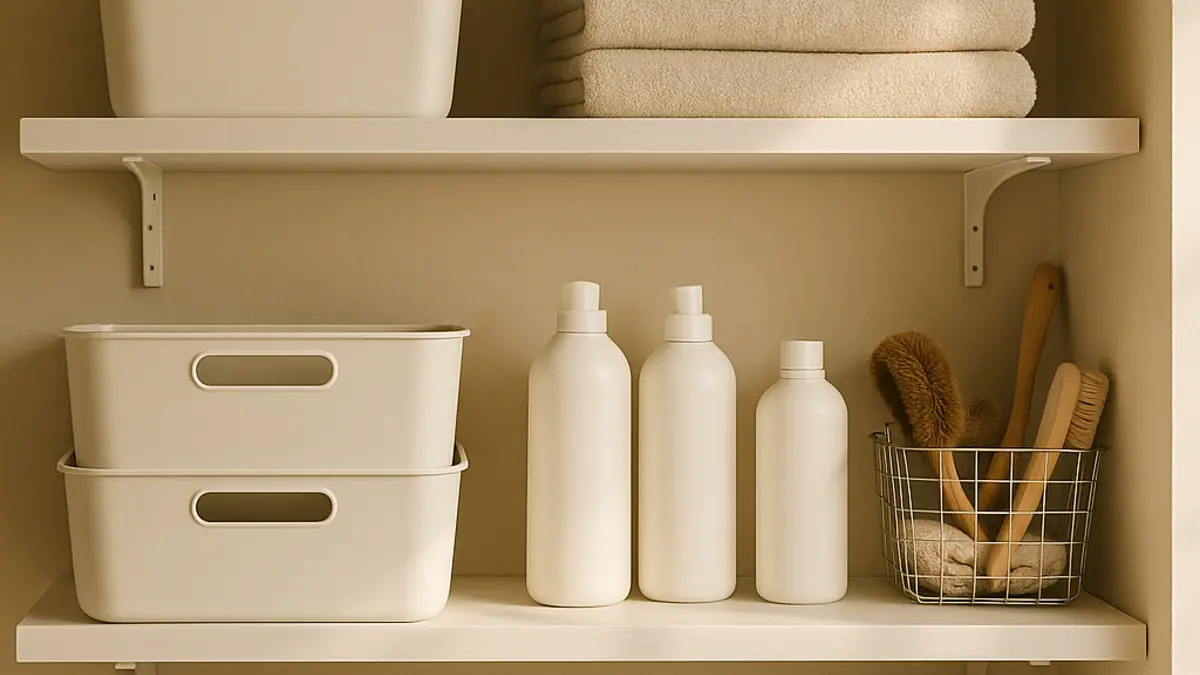
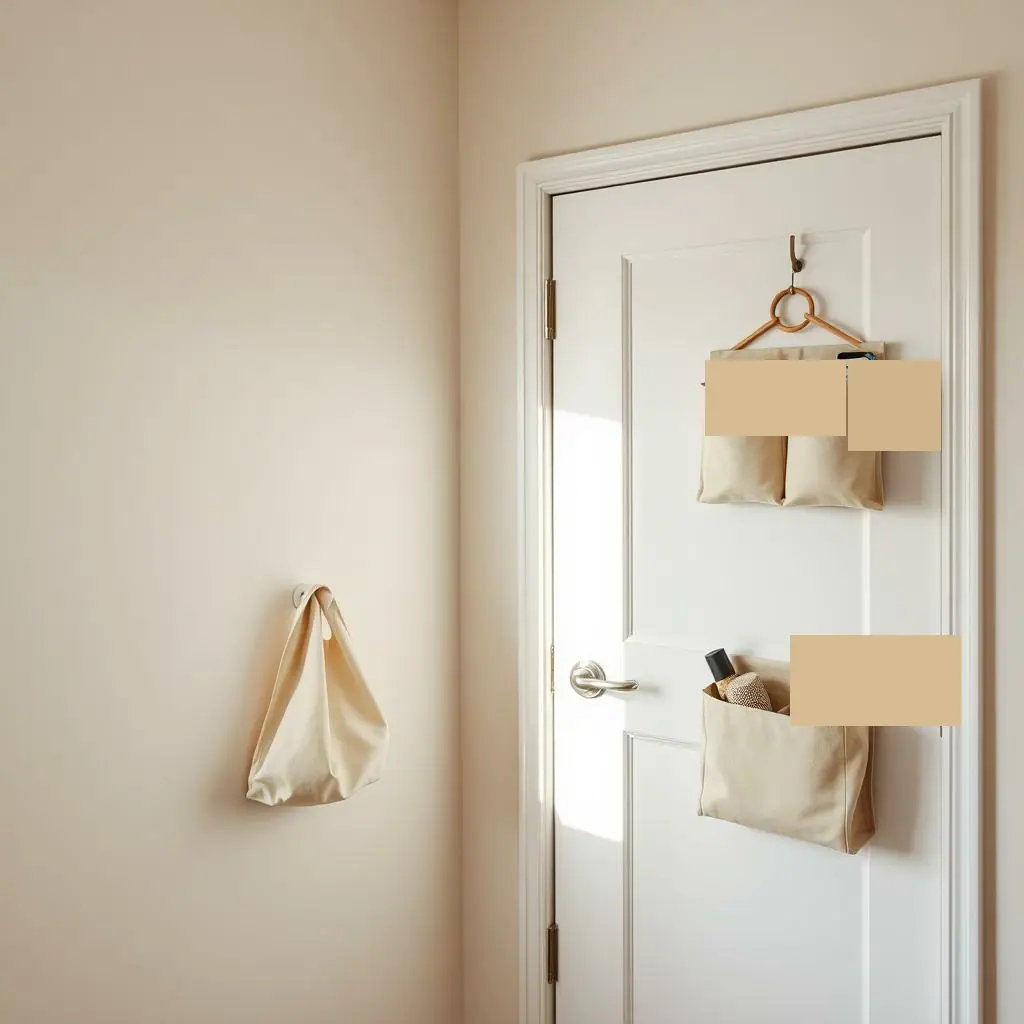
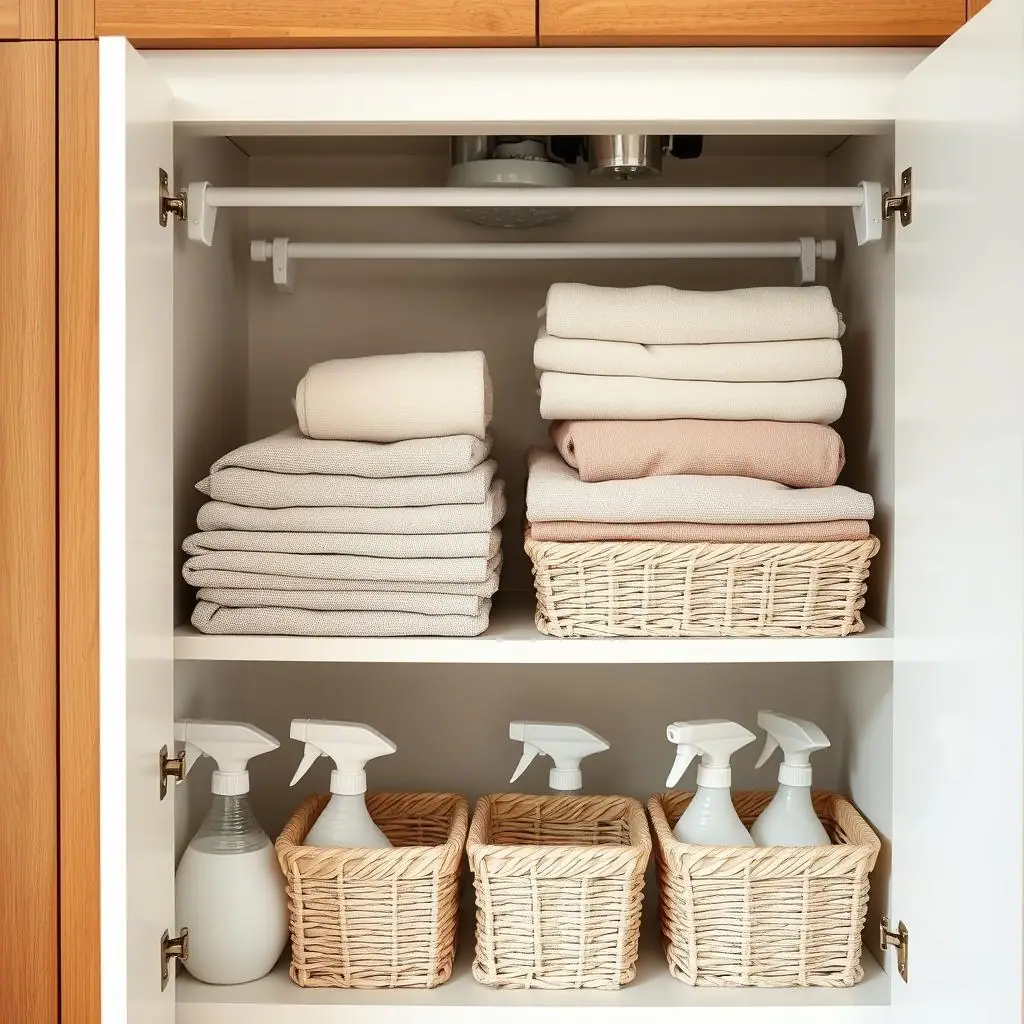
Good alternatives include a small tray, shallow bin, over-door pocket, drawer divider, freestanding narrow shelf, rolling cart, cabinet riser, or tension shelf designed for the space. These options may not look as invisible, but they often make more sense in rentals because they place weight on a stable surface instead of on paint or adhesive.
Frequently Asked Questions
What should I check first before using adhesive shelves?
Check the product instructions, loaded weight, surface condition, lease rules, moisture level, and removal method. If one of those checks is uncertain, choose a lower-risk storage option.
How often should I review an adhesive shelf?
Review it after the first week, then during a monthly reset. Look for lifting edges, wall marks, added weight, moisture, or items that do not belong on the shelf.
What should I do if I am not sure the surface is safe?
Do not guess. Check the manufacturer instructions, ask your landlord when needed, and use a freestanding bin, cart, or shelf if the surface is questionable.
Can I undo adhesive shelves later?
Usually, only when the product is removable, installed on an approved surface, and removed exactly as directed. Rushing removal can damage paint or leave residue.
Final Thoughts
What to check before using adhesive shelves comes down to restraint. Match the shelf to a light job, verify the surface, follow the exact instructions, and leave enough margin that the setup still feels calm after a normal week.
If the checks do not pass, that is useful information. A renter-friendly home is not built by forcing every product to work. It is built by choosing storage that the space, surface, and daily routine can actually support.